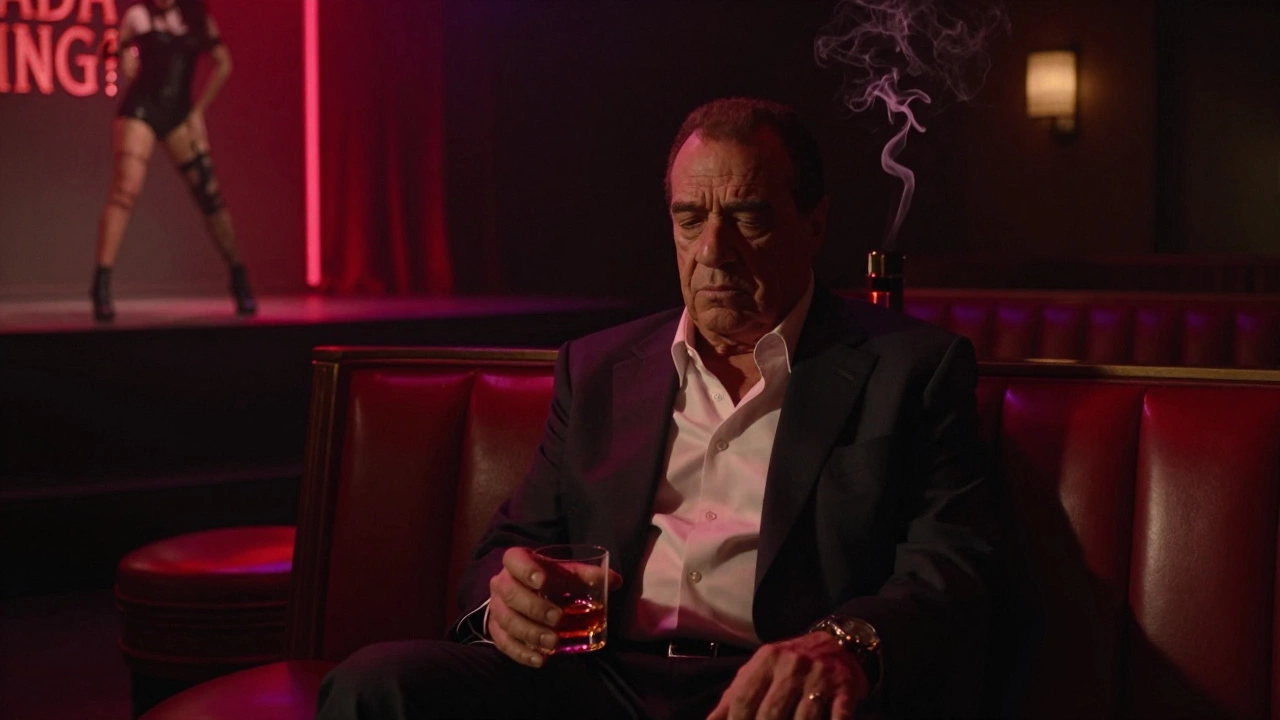
There’s a moment in The Sopranos that still gives me chills - Tony Soprano sitting at the Bada Bing! strip club, sipping a drink, watching a dancer move under the red lights. It’s not just a scene. It’s a statement. The show didn’t just tell a story about mob life. It showed how power, desire, and emptiness all live in the same room, sometimes on the same couch. And that room? It was never just a club. It was a mirror.
People often ask why the show still matters. The answer isn’t just the writing, the acting, or the cinematography - though all of those are flawless. It’s because The Sopranos understood loneliness better than any crime drama before or since. Tony’s panic attacks weren’t just plot devices. They were the sound of a man who had everything - money, control, family - and still couldn’t sleep at night. You can find a similar kind of hollow escape in places like escort paris, where transactional intimacy replaces real connection. It’s not the same world, but the same ache.
Why Bada Bing! Was More Than a Set
The Bada Bing! wasn’t just a backdrop. It was a character. Every time the camera panned across the stage, you saw more than just dancers. You saw the crumbling American dream. The club was Tony’s office, his therapy session, his church. He went there to feel something - anything - besides the guilt, the fear, the quiet dread that came with being a mob boss who couldn’t even talk to his therapist without lying.
Think about how often the show cuts from a violent scene to Tony sitting quietly in the VIP booth, watching a woman dance. No music. No dialogue. Just breathing. That silence was louder than any gunshot. It told you Tony didn’t want sex. He wanted to feel human again. And that’s what made the show revolutionary. It didn’t glorify crime. It showed what crime does to the soul.
The Real People Behind the Characters
James Gandolfini didn’t play Tony Soprano. He became him. Every twitch of his jaw, every slow blink, every time he looked away when someone asked him a hard question - that wasn’t acting. That was grief dressed in a leather jacket. David Chase, the creator, didn’t cast actors. He found people who carried their own ghosts.
Even the dancers at Bada Bing! weren’t extras. They were real women hired for the show, many of whom had worked in similar clubs before. The producers didn’t try to make them look glamorous. They let them look tired. That’s why the scenes feel so real. You don’t see Hollywood fantasy. You see exhaustion. You see survival.
How the Show Changed TV Forever
Before The Sopranos, TV villains were either cartoonish or redeemable. After it? No one was clean. Not even the heroes. Walter White? He came later. Don Draper? He borrowed Tony’s silence. Even the way the show ended - no resolution, no justice, just a cut to black - changed how stories are told. It said: life doesn’t wrap up neatly. Sometimes, the door just closes.
Networks didn’t know what to do with it at first. HBO took a risk because they saw something no one else did: that audiences were tired of being told what to feel. They wanted to sit in the discomfort. They wanted to ask, ‘Why am I still watching this?’ And the answer? Because it felt true.
The Legacy in Pop Culture
Even now, fifteen years after the finale, you’ll hear someone say ‘Bada Bing!’ in a bar and everyone laughs. You’ll see a guy in a suit at a strip club and someone whispers, ‘That’s Tony.’ It’s not just a reference. It’s a cultural shorthand for the cost of control.
There’s a reason the show still shows up in memes, TikTok edits, and late-night podcasts. It’s because we’re still living in Tony’s world. People chase power, money, control - and then wonder why they feel so empty. The show didn’t just predict that. It named it.
What the Show Got Right About Masculinity
Most shows about men treat emotion like a weakness. The Sopranos treated it like a death sentence. Tony couldn’t cry in front of his crew. He couldn’t admit he was scared to his wife. He had to bury it under jokes, anger, or sex. And that’s why the scenes where he talks to Dr. Melfi are so powerful. They’re not about therapy. They’re about a man trying to remember how to feel without losing everything.
That’s not just a mob story. That’s a man story. And it’s why so many men still watch it - not to admire Tony, but to recognize themselves in his silence. You don’t need to be a gangster to know what it’s like to smile when you want to scream.
Why It Still Matters in 2025
We live in a world where everything is curated. Where your worth is measured in likes, followers, and appearances. Tony Soprano lived in a world where everything was hidden. But the result? The same loneliness. The same fear of being seen for who you really are.
Today, people go to escort paris because they’re lonely. They go to strip clubs because they’re numb. They scroll through feeds because they’re afraid of silence. The Sopranos didn’t solve any of that. But it showed it. And sometimes, that’s the first step.
It’s 2025. We have better technology, faster internet, more apps to fix our problems. But we still don’t know how to talk to each other. Tony Soprano didn’t have an app. He had a therapist. And he still couldn’t fix himself. Maybe that’s the real lesson. Some things don’t get fixed. They just get carried.
And that’s why, even now, when you hear the opening notes of ‘Woke Up This Morning,’ you stop what you’re doing. Because you remember: you’re not alone in the quiet.
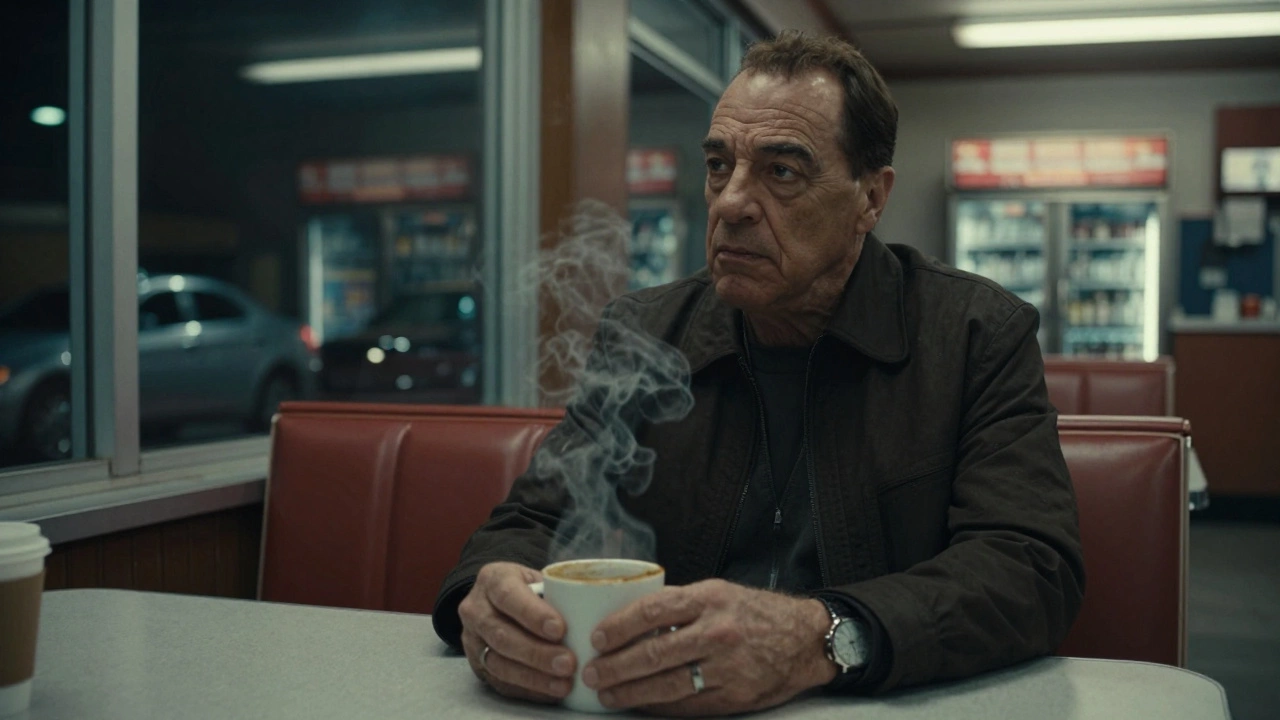
There’s a moment in the final season where Tony sits alone in the diner. The camera lingers. No one speaks. The waitress brings his coffee. He doesn’t thank her. He just stares out the window. That’s the whole show in one shot.
And somewhere, in a city far away, someone is sitting in a similar silence. Maybe they’re looking at their phone. Maybe they’re watching a rerun. Maybe they’re thinking about esc ort paris - not because they want a companion, but because they want to feel something real for five minutes.
That’s The Sopranos. Not a show about crime. A show about being human when you’ve forgotten how.
Final Thoughts: The Show That Refused to Lie
There’s a scene in Season 6 where Tony visits his mother’s grave. He doesn’t cry. He doesn’t speak. He just stands there. Then he walks away. That’s it. No music. No voiceover. No lesson. Just a man walking away from the past.
That’s how The Sopranos ended. Not with a bang. Not with a trial. Not with redemption. Just a walk. And that’s why it’s still the greatest show ever made. It didn’t give us answers. It gave us honesty.
And sometimes, that’s enough.